

Phone scams are becoming increasingly common as cybercriminals use fake calls to trick people into sharing personal information or sending money. In cybersecurity, these types of attacks are commonly known as “vishing,” which stands for voice phishing. These scams often involve criminals pretending to be trusted organisations or individuals in order to steal sensitive information or gain access to accounts.
Many people receive scam calls daily. Some callers may pretend to be from banks, government agencies, delivery services, or technical support teams. Others may use automated messages warning about suspicious activity or urgent problems that require immediate action. Understanding how these scams work can help people recognise warning signs and stay protected.
Ignoring unknown calls is completely acceptable. Allowing suspicious numbers to go to voicemail can reduce the risk of interacting with scammers.
Common Types of Phone Scams
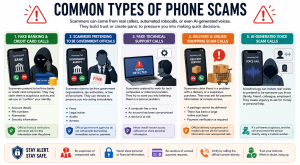
Phone scams can come from real callers, automated robocalls, or even AI-generated voices. Scammers often try to build trust or create panic in order to pressure people into making quick decisions.
Fake Banking and Credit Card Calls
Some scammers pretend to represent banks or credit card companies. They may claim there is suspicious activity on an account and ask users to “confirm” their identity by providing:
- Account details
- PIN numbers
- Passwords
- Security information
Official financial institutions will not request sensitive information in this way over the phone.
Scammers Pretending to Be Government Officials
Scammers sometimes claim to work for government organisations, tax authorities, or law enforcement agencies. These calls often involve threats such as:
- Fines
- Legal action
- Audits
- Arrests
The caller may pressure users into acting immediately or making urgent payments. Official government agencies do not typically contact people in this manner demanding immediate action.
Fake Technical Support Calls
Scammers may pretend to work for technology companies or internet providers. They might claim:
- A computer has a virus
- An account has been compromised
- A device is at risk
Users may then be encouraged to install remote access software or reveal sensitive information. These tactics are commonly used to gain access to devices and accounts.
Delivery and Online Shopping Scam Calls
Some scam calls involve fake delivery issues or suspicious online purchases. A caller may claim:
- A package cannot be delivered
- There has been a large online purchase
- Payment verification is required
You may be pressured into sharing payment information or granting remote access to devices. Official delivery companies and online retailers do not pressure customers into providing sensitive information over unexpected calls.
AI-Generated Voice Scam Calls
Artificial intelligence technology can now be used to imitate the voices of real people. Scammers may pretend to be family members, friends, colleagues, or employers.
These calls often involve emotional situations such as emergencies, accidents, or urgent requests for money. If a call seems suspicious, it is safest to end the call and contact the person directly using a trusted phone number.
See an Example of an AI Voice Scam
AI-generated voice scams are becoming more common and can sound very convincing. Using artificial intelligence, scammers can create realistic voices to gain trust, create panic, and pressure people into taking immediate action.
To learn more about how AI voice scams work and how to protect yourself, watch this educational video:
Watch: What Are AI Voice Scams & How Can You Avoid Them?
Warning Signs of a Scam Call
Unexpected and urgent requests should always be treated carefully. Scam calls often contain warning signs that can help you recognise a scam.
Unexpected Calls
Many scam calls arrive without warning. A person may receive a call claiming to be from:
- A bank
- A delivery company
- A government agency
- A technical support service
Unexpected contact requesting urgent action should be approached with caution.
Requests for Personal Information
Scammers frequently ask for sensitive information such as:
- Passwords
- PIN numbers
- Banking information
- Verification codes
Official organisations do not normally request this type of information over the phone.
Unusual Payment Requests
One major warning sign is a request for payment through:
- Gift cards
- Cryptocurrency
- Wire transfers
- Cash delivery services
These payment methods are commonly associated with scams and should be treated as serious warning signs.
Pressure to Act Immediately
Scammers often attempt to create panic or urgency. They may pressure people into acting quickly without thinking carefully about the situation.
Taking time to slow down, ask questions, and independently verify information can help people stay protected from scams.
How to Respond to Suspicious Calls
If a phone call feels suspicious, there are several steps that can help reduce the risk of scams.
End the Call Immediately
If something about the conversation feels suspicious or uncomfortable, it is safest to end the call immediately.
People are not obligated to remain on calls that appear dishonest or suspicious.
Avoid Interacting with Robocalls
Automated scam calls may encourage users to:
- Press buttons
- Speak to an agent
- Confirm information
Interacting with robocalls may confirm that a phone number is active, potentially leading to more scam attempts.
Never Share Personal Information
Sensitive details such as passwords, account numbers, PINs, and verification codes should never be shared over the phone with unknown callers.
Contact the Organisation Directly
If there is concern that a call may be legitimate:
- End the call
- Locate the official contact number independently
- Contact the organisation directly
Scammers can fake phone numbers, so calling back the same number is not always safe.
Reporting Scam Calls
Reporting suspicious calls can help protect others and assist organisations in identifying scam activity.
Possible actions include:
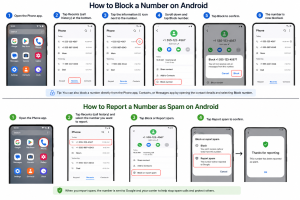
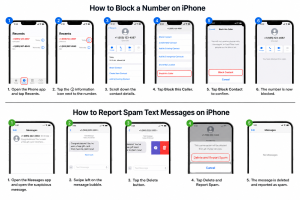
- Blocking suspicious numbers
- Reporting scams to relevant authorities
- Informing workplaces or IT departments
- Using scam call blocking features provided by phone carriers
Tips for Protecting Yourself from Phone Scams
There are several habits that can help reduce the risk of becoming a victim of phone scams.
- Be Careful with Unknown Numbers
Unknown callers do not always need to be answered immediately. Genuine callers can usually leave a voicemail message if necessary.
- Caller ID Can Be Fake
Scammers can manipulate caller ID systems to make calls appear legitimate. A phone number may look genuine even when it is not.
- Use Extra Security Measures
Using PIN numbers, Passphrases, Multifactor authentication can help improve account security and reduce the risk of unauthorised access.
- Create a Family Safe Word
Families may choose to create a private “safe word” to help verify identity during emergencies. This may help reduce the risk of AI voice scams and impersonation attempts.