

Social media scams are becoming increasingly common, especially among young people. Platforms like TikTok, Instagram, Snapchat, Facebook, and YouTube are used every day for entertainment, communication, gaming, shopping, and following online trends. While these platforms can be enjoyable and useful, they have also become a common place for online scams and cybercriminal activity.
Scammers often use fake accounts, misleading advertisements, suspicious links, and emotional manipulation to trick users online. Many scams are designed to steal personal information, money, passwords, or even access to social media accounts.
Understanding how social media scams work and learning how to recognise warning signs can help young people stay safe online and better protect their personal information.
Why Young People Are Often Targeted Online?
Young people are often targeted because they spend a large amount of time online and regularly interact with digital content, trends, and online communities. Scammers know that younger users may sometimes trust online accounts too quickly, especially when scams appear exciting, popular, or emotionally convincing.
Many scammers create fake profiles, fake friendships, or attractive offers to gain attention and build trust. Some scams may appear harmless at first, but their goal is often to collect personal information, steal passwords, or trick users into sending money.
Young people may also share personal details online without fully understanding the risks. Information such as Locations, School names, Phone numbers, Photos and Travel plans can sometimes help scammers gather information about users or make fake accounts appear more believable.
Social media can also create pressure to react quickly, follow trends, or trust accounts with large numbers of followers or likes. Scammers often take advantage of this to make fake accounts appear real and trustworthy.
Common Social Media Scams That Target Young People
Scammers use many different tricks on social media to steal information, money, or online accounts. Some scams may look harmless at first, but they can quickly become dangerous.
Fake Giveaways and Competitions
Many scammers post fake giveaways offering:
- Free phones
- Gift cards
- Concert tickets
- Gaming consoles
- Money prizes

Users may be asked to click links, fill out forms, or enter personal information. Some fake giveaways are designed to steal passwords or payment information.If an offer seems too good to be true, it usually is.
Fake Influencer and Celebrity Accounts
Some scammers pretend to be influencers, celebrities, or popular brands. They may copy profile pictures, usernames, and posts to look real.
These fake accounts may send direct messages claiming:
- You won a prize
- You were selected for an offer
- You can earn easy money online
Their goal is often to steal information or scam users financially.

Online Shopping Scams
Social media is now full of advertisements for cheap products and trending items. Some scammers create fake online stores selling:
- Clothes
- Shoes
- Electronics
- Beauty products
After payment is made, the product may never arrive, or the website may steal payment details.
Gaming Scams
Online gaming has become very popular among young people, and scammers often use games to target users online. Some scams offer:
- Free game currency
- Free gaming accounts
- Special rewards
- Cheat codes or downloads
Users may be asked to click suspicious links or enter personal information to receive these rewards. Some fake gaming websites and downloadable files may also contain harmful software designed to steal passwords or account information.
Young users should be careful when downloading games, entering login details, or accepting offers that seem too good to be true. Official games and gaming companies do not usually ask users to share personal information to receive rewards.

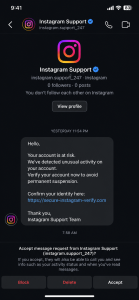
Phishing Messages and Fake Links
Some users receive fake messages saying:
- “Your account is at risk”
- “Click here to verify your account”
- “You have violated community guidelines”
These messages often contain fake links designed to steal usernames and passwords.
Friend Verification Scam
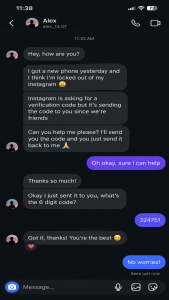
One increasingly common scam on social media is known as the Friend Verification Scam. In this scam, a hacker gains access to someone’s social media account and then sends messages to their friends or followers.
The scammer may claim they have bought a new phone, lost access to their account, or need help receiving a verification code. They then ask the victim to send a password reset link or SMS verification code.
If the code is shared, the scammer can use it to bypass security measures, take control of the account, and lock the owner out.
Once they gain access to the account, they may repeat the scam by sending similar messages to other people using the compromised account.
If someone asks for a verification code, password reset link, or security code, never share it. Legitimate verification codes should only be used by the account owner.
Fake Videos and Voices
Artificial intelligence (AI) is now being used by scammers to create more realistic online scams. Using AI tools, scammers can create:
- Fake videos
- Fake voice recordings
- Edited photos
- Deepfake content that looks real
For example, scammers may create fake videos of celebrities, influencers, or even family members to trick people into believing false information. Some scams also use AI-generated voices to pretend to be someone the user knows and trusts.
Because these scams can look and sound very realistic, they are becoming harder to recognise online. This is why users should always be careful when receiving unusual messages, videos, or requests for money or personal information on social media.
How Young People Can Protect Themselves Online?
Online scams can happen to anyone, especially on social media where people communicate and share information every day. Fake accounts, scam links, and suspicious messages are becoming more common, making it important for users to stay careful while using online platforms.
Understanding basic online safety habits can help young people protect their accounts, personal information, and online privacy while avoiding common social media scams.
Be Careful What You Share Online
Avoid sharing personal information such as:
- Home addresses
- Phone numbers
- School information
- Travel plans
- Banking details
Sharing too much information online can increase safety risks.
Think Before Clicking Links
Links shared through messages, comments, advertisements, or unknown accounts should always be treated carefully. Some suspicious links may lead users to fake websites designed to steal passwords, personal information, or payment details.
Scammers often use fake links to trick users into downloading harmful files, entering login information, or visiting scam websites that look real. Before clicking a link, you should check if the website address looks official and avoid links sent by strangers or suspicious accounts.
Taking a few extra seconds to check a link can help users avoid scams and protect their personal information online.
Use Strong Passwords
Strong passwords are important because they help keep online accounts safe from hackers and scammers. Simple passwords such as names, birthdays, or easy number combinations can often be guessed quickly by cybercriminals.
A strong password should include:
- Letters
- Numbers
- Symbols
Using different passwords for different accounts is also very important. If one password is stolen, other accounts can still remain protected. Strong passwords are one of the easiest ways to improve online security and reduce the risk of hacked accounts.
Enable Multifactor Authentication
Multifactor authentication adds an extra layer of security to online accounts. After entering a password, users are asked to complete a second verification step, such as entering a code sent to their phone or email.
This helps protect accounts from hackers and scammers because even if someone steals a password, they still cannot access the account without the second verification step. It is one of the easiest and most effective ways to improve online security.
Learn more about how 2-Step Verification works here
Check if Accounts Are Real
Before trusting giveaways, online shops, or messages:
- Check if the account is verified
- Look at reviews and followers
- Search for official websites
Fake accounts often contain spelling mistakes, strange messages, or very few followers.
Important: Be aware that AI is making fake accounts more convincing than ever. Scammers can use AI-generated photos, videos, and profiles that look like real people. Some scammers also buy followers and like to make fake accounts appear popular and trustworthy. Because of this, a large follower count does not always mean an account is genuine. Always take time to verify accounts before trusting them.
Report and Block Suspicious Accounts
Most social media platforms allow users to report fake accounts, scam messages, and suspicious activity. Reporting these accounts can help protect other users from online scams.
If an account looks suspicious or makes users feel uncomfortable, it is safest to block the account immediately to prevent further contact or harmful messages.