
Cyber hygiene tips can help reduce everyday cyber risks, whether you’re working from home, in an office, or simply using technology in your daily life. When people think about cybersecurity, they often associate it with technical teams, software updates, and complex systems. However, many cyberattacks begin through everyday business activities such as opening emails, approving requests, sharing information, or accessing company systems.
As cyber threats become more convincing and accessible through tools such as AI-generated phishing and impersonation tactics, whether you work in IT, HR, sales, finance, or administration, building good cyber hygiene habits can help reduce everyday cyber risks.
Why does cyber hygiene matter for everyone?
If you work in HR, sales, finance, marketing, administration, or another non-technical role, you probably handle sensitive information, communicate with customers or suppliers, approve requests, or access company systems every day. These everyday tasks can make you a target for cybercriminals using social engineering rather than technical attacks.
Examples:
- Emails requesting urgent payments
- Messages impersonating managers or suppliers
- Fake login pages designed to steal credentials
- Requests for employee or customer information
These situations often appear routine, which is why creating simple security habits across all teams can significantly reduce risk.
Practical cyber hygiene habits
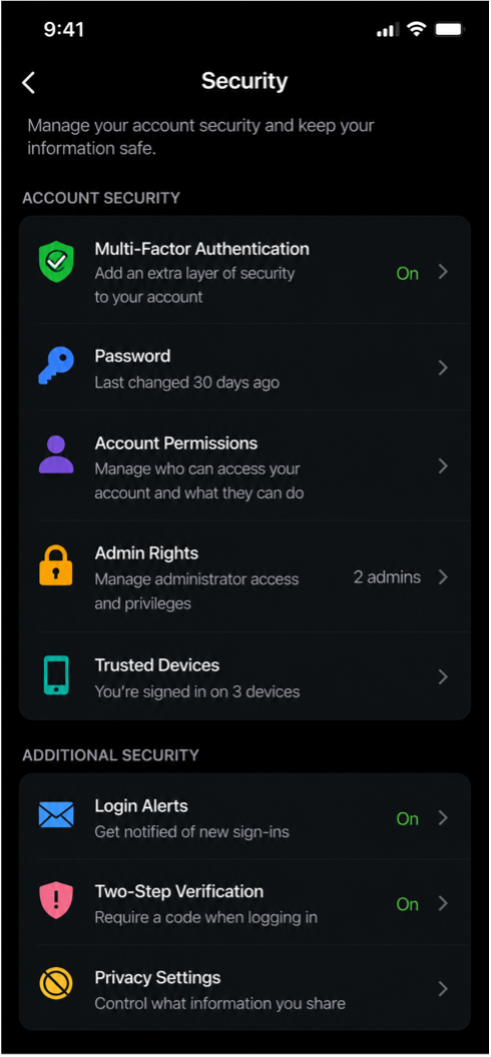
Enable Multi-Factor Authentication (MFA) wherever possible
Where available, MFA adds an additional layer of security beyond passwords and can reduce the impact of compromised accounts.
Follow your organisation’s approval processes
If your workplace requires more than one person to approve payments or sensitive actions, follow these processes rather than taking shortcuts. These checks help reduce fraud and mistakes. Splitting responsibilities across roles can reduce both accidental mistakes and opportunities for fraud.
Take a moment to verify unexpected requests
Encourage staff to question and verify unusual or urgent requests, particularly those involving payments, account access, or sensitive information.
Only access the information you need
If you change roles or leave an organisation, ensure old accounts and permissions are removed. Likewise, avoid using accounts or systems that you no longer require. This helps reduce unnecessary exposure.
Protect sensitive information
Use password protection or restricted access for documents containing sensitive business, employee, or customer information. Access should only be granted to employees who require it for their role.
Schedule regular backups
Regular backups can reduce disruption and support recovery in the event of ransomware, accidental deletion, or system failure. Organisations should ensure backups are maintained and tested periodically.
Speak up if something doesn’t feel right
If you receive a suspicious email or unusual request, don’t be afraid to ask questions or report it. Reporting concerns early can help prevent cyber incidents.
Conclusion
Good cyber hygiene does not mean becoming a cybersecurity expert. Small everyday habits; such as enabling MFA, questioning unexpected requests, and protecting sensitive information, can make a significant difference.
Make the secure path the easy path.